11 Best Conversational AI for Clinics in 2026
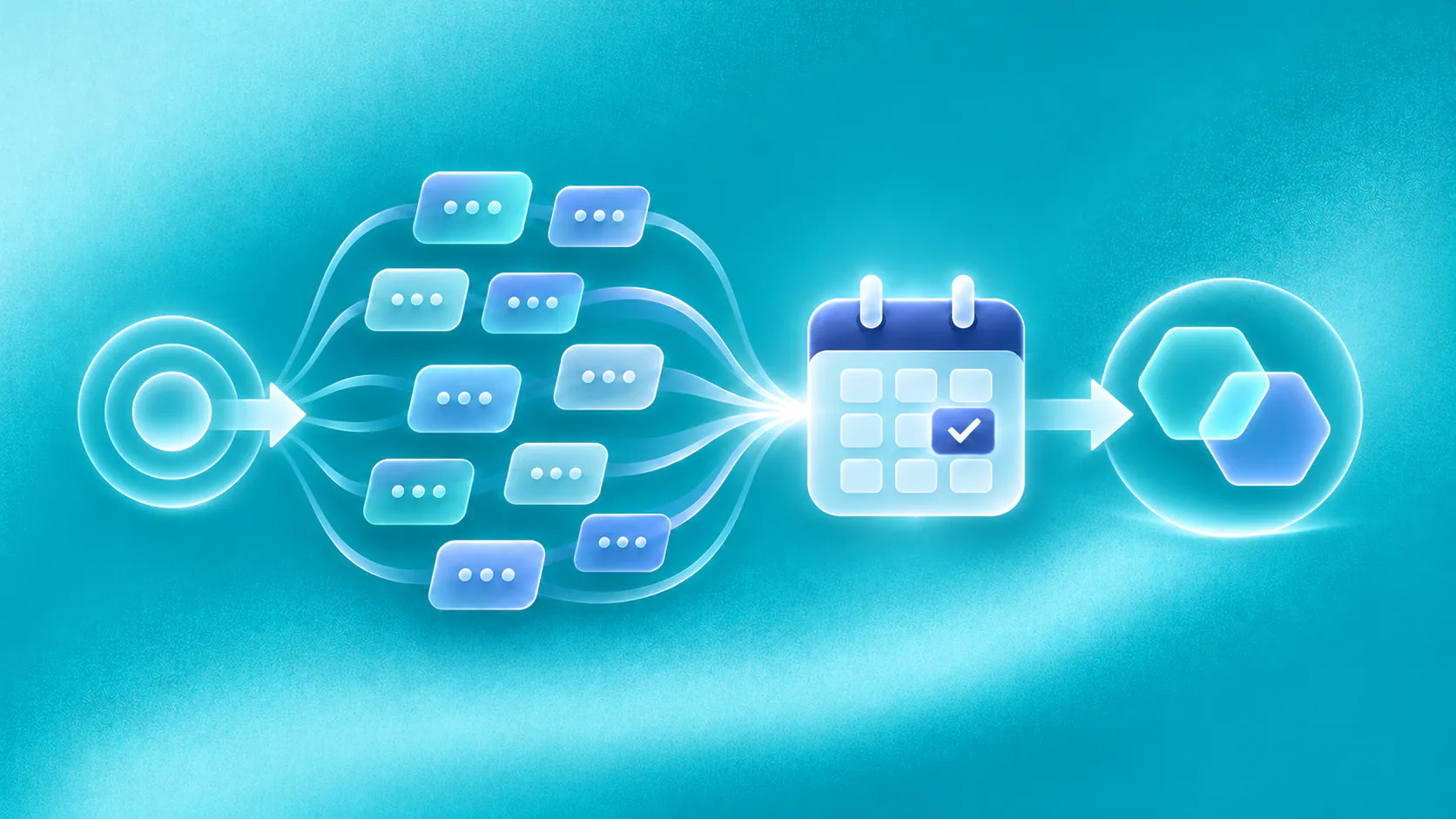
The best conversational AI for clinics matches the organisation's patient workflow, channels, scheduling rules, connected systems and staff ownership needs. This guide compares 11 options by their best-fit use case, using current first-party product information rather than a universal score.
Key takeaways
- Choose by the administrative journey you need to improve, not by the longest feature list.
- Independent clinics, specialty groups and health systems usually need different implementation models and system connections.
- Test a normal appointment request, an exception, a system failure, a clinical question and a request for a person.
- Verify channels, appointment actions, routing, handoff and reporting directly with shortlisted vendors.
What is the best conversational AI for clinics in 2026?
The best conversational AI for clinics is not the same for every organisation. An independent clinic may need reliable enquiry handling and appointment booking. A specialty group may need detailed scheduling rules across locations. A health system may need a consistent patient workflow across voice and digital channels, with clear staff ownership.
This guide matches 11 platforms to those different needs. It covers administrative communication: enquiries, lead qualification, appointment booking, reminders, multi-location routing, pre-procedure communication, post-procedure follow-up and staff handoff. It does not evaluate diagnosis, symptom assessment or treatment advice.
ZINQ publishes this guide and is included in it. We used the same questions for every platform and checked current first-party product information. “Best for” means best suited to the stated use case, not objectively better than every alternative.
For category background, read what conversational AI means in a clinic. The broader conversational AI platform buyer’s guide explains how to build a vendor scorecard.
Related must-read articles
How did we choose these platforms?
We reviewed current vendor product pages, healthcare solution pages and documentation on 26 November 2026. A platform qualified when its first-party materials described conversational administrative workflows relevant to clinics or healthcare organisations.
For this guide, the best conversational AI for clinics means the product that best fits a defined administrative journey, operating model and staff-ownership requirement. It does not mean one universal winner.
We compared each option using the same questions:
- Clinic workflow fit: How does it handle enquiry capture, lead qualification, appointment booking, reminders, pre-procedure communication, post-procedure follow-up and staff handoff?
- Channels: Does it support the voice and digital channels the intended clinic uses?
- Appointment booking and scheduling: Can it check current availability, apply service, provider and location rules, book, reschedule or cancel an appointment, and confirm the result only after the clinic’s scheduling system accepts it?
- Staff involvement: Can a person request help, and can the receiving team see the useful context?
- Knowledge control: Can the clinic govern the approved information used for administrative answers?
- Implementation fit: Is it designed for an independent practice, specialty group, multi-location operator or enterprise health system?
- Operational evidence: Can the team review the conversations, appointment actions, handoffs and outcomes that the product records?
An integration logo is not proof that a required operation works. Clinics should ask vendors to demonstrate the exact read or write action, failure path and staff handoff needed in production.
These criteria keep the best conversational AI for clinics tied to observable work rather than a vendor’s preferred demonstration.
The 11 best conversational AI options for clinics at a glance
| Platform | Best for | Conversation focus |
|---|---|---|
| ZINQ | Healthcare organisations and multi-location clinic groups engaging enquiries from click-to-social channels and click-to-call campaigns, moving them towards appointment booking and follow-up, and running broadcast campaigns for existing contacts | Voice, WhatsApp, Instagram and website chat across the clinic journey |
| Hyro | Large healthcare organisations coordinating appointment enquiries | Voice and digital appointment workflows |
| Luma Health | Health systems combining appointment scheduling with reminders and follow-up | Voice and digital appointment conversations |
| Assort Health | Specialty and multi-location groups with complex scheduling | Inbound and outbound healthcare voice |
| Artera | Healthcare organisations building AI into patient communications | Voice and text administrative workflows |
| Kore.ai | Enterprises needing a configurable healthcare AI and contact-centre platform | Voice and digital self-service |
| Notable | Health systems extending voice-led appointment communication across larger operations | Voice appointment journeys |
| Relatient | Practices combining scheduling, reminders, messaging and voice AI | Patient scheduling and engagement |
| Hello Patient | Outpatient and specialty practices using calls, texts and website chat | Front-office patient conversations |
| Bot MD | Asia-Pacific providers prioritising messaging-led patient engagement | WhatsApp and other messaging channels |
| Emitrr | Smaller practices seeking an AI receptionist | Calls, digital messages and appointment requests |
The table is a starting point, not a score. Each platform below is matched to the buyer need its current materials support.
1. ZINQ AI
ZINQ helps clinics keep an enquiry moving from the first question to a confirmed appointment or a clearly owned staff follow-up. It can answer from clinic-approved information, capture and qualify enquiries, collect the service and location a prospective patient needs, and guide suitable enquiries into a configured booking journey. For multi-location groups, the same flow can route work by branch or service and give the receiving team the available context instead of asking the person to start again.
A prospective patient can contact the clinic through Voice, WhatsApp, Instagram, website chat, Telegram or email. An after-hours enquiry can receive approved service information, provide the details needed for an appointment and move toward available booking options. If the request needs staff attention, Human Handoff passes the conversation to the responsible team with context.
The journey can continue beyond booking:
- From ad response to appointment: When someone responds to a click-to-WhatsApp or click-to-call ad, ZINQ can continue the conversation on that channel, capture and qualify the enquiry, and guide it towards an appointment or staff follow-up. Clinics can also use Campaigns and Segments to send configured broadcasts to approved contacts already in their patient database for reminders, service updates or re-engagement. ZINQ engages the resulting enquiries and existing contacts; it does not create or manage paid ads.
- Pre-procedure communication: Share approved preparation information, collect permitted details or documents, send configured confirmations and reminders, and support rescheduling before the visit.
- Post-procedure follow-up: Run approved follow-up and configured check-ins while routing clinical questions or exceptions to qualified staff.
Behind that patient experience, the Knowledge Base, Workflows, Contacts and CRM and Omnichannel Inbox help operations teams manage one administrative journey rather than several disconnected inboxes. The practical value is less repetitive information collection, more consistent pre-care and post-care communication, and clearer ownership of every next step.
Best for: Healthcare organisations and multi-location clinic groups that want one platform to engage enquiries from click-to-social channels and click-to-call campaigns, move them towards appointment booking and follow-up, and run broadcast campaigns for existing contacts across voice, WhatsApp, Instagram and website chat.
2. Hyro
Hyro provides healthcare AI agents for appointment enquiries across voice and digital channels. Its healthcare materials describe approved information, scheduling, routing, reminders and staff transfer.
Hyro’s scheduling materials describe booking, rescheduling and cancellation through connected scheduling systems, with transfer to staff when a request cannot be completed. That makes the product relevant where scheduling and routing rules span a large organisation.
Best for: Large healthcare organisations coordinating appointment enquiries, scheduling and staff handoff across voice and digital channels.
3. Luma Health
Luma Health positions appointment communication inside a broader patient-success platform. Its current materials describe voice and digital conversations for scheduling, rescheduling, reminders and follow-up.
The scope suits organisations that want incoming appointment requests and ongoing communication managed as connected parts of the patient journey. The implementation still needs to define which actions write back to the organisation’s systems and which exceptions go to staff.
Best for: Health systems that want appointment scheduling, reminders and follow-up across voice and digital channels.
4. Assort Health
Assort Health focuses on healthcare voice agents for inbound and outbound calls. Its first-party materials describe scheduling, rescheduling, administrative enquiry capture, reminders, follow-up and configured transfers to staff, with supported scheduling-system connections.
That focus is useful when a clinic group has several appointment types, locations or provider rules and a large share of demand still arrives by phone.
Best for: Specialty and multi-location groups with detailed scheduling logic and high inbound or outbound call volume.
5. Artera
Artera describes voice and digital AI agents within its patient-communication platform. Current materials cover scheduling, reminders, follow-up and other configured administrative workflows, with supported system connections, multilingual conversations, human handoff and conversation reporting.
The product is relevant when a healthcare organisation wants conversational AI to operate within a wider communication programme rather than as an isolated receptionist.
Best for: Healthcare organisations that want voice and text AI embedded in an established patient-communication operation.
6. Kore.ai
Kore.ai offers an enterprise AI-agent and contact-centre platform with healthcare use cases. Its healthcare materials describe appointment management, reminders, enquiry answering and routing across voice and digital channels.
Its configurable platform model is suited to organisations that have internal technology, service and governance teams able to design and operate several workflows.
Best for: Enterprise healthcare teams that need configurable enquiry, appointment and staff-handoff workflows across multiple channels.
7. Notable
Notable provides a healthcare AI platform with voice-led scheduling and appointment management. Its current materials describe approved service information, booking changes, reminders and routing questions to staff.
This focus makes it relevant when a health system wants to connect voice conversations with appointment workflows across larger operations.
Best for: Health systems extending voice-led appointment communication across larger operations.
8. Relatient
Relatient describes Dash as a patient scheduling and engagement platform that combines agentic voice AI, rules-based self-scheduling and patient messaging. Its product materials say the voice agent can identify intent, manage configured appointment requests or escalate to staff.
The platform is a natural candidate for practices that want scheduling, reminders and communication connected to supported scheduling or practice-management systems.
Best for: Practices that want scheduling, reminders, patient messaging and voice AI connected to supported healthcare systems.
9. Hello Patient
Hello Patient focuses on front-office conversations for outpatient, dental, urgent-care and specialty practices. Its current pages describe inbound and outbound calls, digital follow-up, website chat, appointment booking, reminders, approved answers and staff handoff.
The mix of voice, text and web chat suits practices that want one provider for several common front-desk communication paths.
Best for: Outpatient and specialty practices that want calls, digital messages and website chat for routine appointment enquiries and follow-up.
10. Bot MD
Bot MD provides healthcare chat products across WhatsApp, Viber, LINE, Messenger and web. Its published clinic materials describe appointment booking, confirmation, rescheduling, cancellation, reminders, education and approved FAQs through messaging channels.
The regional and channel focus is useful for hospitals and clinic groups whose patients already use messaging as a primary service channel.
Best for: Asia-Pacific hospitals and clinic groups prioritising WhatsApp and other messaging channels for scheduling, reminders and patient engagement.
11. Emitrr
Emitrr describes an AI receptionist for healthcare practices. Its current product page covers answering calls and digital messages, collecting details, booking through supported scheduling or CRM connections, reminders, confirmations and selected transfers to staff.
The receptionist model is relevant to smaller teams that want to start with common front-desk tasks rather than a broad enterprise automation programme.
Best for: Smaller healthcare practices seeking an AI receptionist connected to supported practice systems.
Which type of platform fits your clinic?
The best conversational AI for clinics depends first on the operating model.
An independent clinic may start with one high-friction journey, such as unanswered calls or incomplete appointment requests. A receptionist-style product or a configurable workflow on the clinic’s busiest channel can be easier to operate than a broad enterprise programme.
A specialty or multi-location group should test provider, service and location rules. A prospective patient may ask for a procedure at one branch, change the date and then request a person. The platform must preserve the administrative context and apply the right scheduling logic.
An enterprise health system may need consistent enquiry, appointment and handoff workflows across several departments and channels. Evaluation usually involves technology, service operations, front-desk and clinical leaders, with clear ownership for each workflow and exception.
These distinctions matter more than whether a vendor calls the product a healthcare AI chatbot, medical chatbot, voice agent or conversational AI platform. Category labels cannot prove the workflow.
What should every clinic test in a demonstration?
Give every shortlisted vendor the same hypothetical journey. A prospective patient asks whether a service is available, chooses a location and requests an appointment next Tuesday afternoon.
Test five versions:
- Ordinary path: The system uses approved information, collects the minimum details, offers returned slots and confirms only after the scheduling system accepts the booking.
- Changed request: The person changes the location or date without restarting the conversation.
- Unavailable system: The calendar connection fails, so the system explains the next step without inventing availability.
- Clinical question: The person asks whether the service is suitable for a symptom. The administrative flow stops and qualified staff receive the question.
- Human request: The person asks for a member of staff and the team receives the reason, collected details and conversation context.
Record whether the request was answered, completed, handed off or safely stopped. Then inspect the connected system. A conversational confirmation is not enough if the appointment or task was never created.
This shared test makes the best conversational AI for clinics easier to compare without rewarding presentation style over workflow evidence.
Use the same method whether you are evaluating the best conversational AI for healthcare broadly or AI appointment scheduling for clinics specifically.
What must remain with qualified staff?
The best conversational AI for clinics should have an explicit boundary between administrative help and professional judgment.
Conversational AI can provide clinic-approved service information, collect administrative details, support configured bookings, send permitted reminders and route a request. It should not diagnose, interpret symptoms, prioritise care, recommend treatment or reassure someone about a clinical concern unless a separately validated and governed clinical system is authorised for that purpose.
Clinics should define which questions stay administrative, when staff take over, who owns each exception and what the patient is told while waiting. Clinical questions and consequential decisions go to qualified staff.
How do you build a final shortlist?
Choose two or three platforms whose best-fit organisation and workflow resemble yours. For most buyers, the best conversational AI for clinics will come from vendors prepared to test identical scenarios, approved sources, system requirements and success criteria.
For each vendor, document:
- The exact workflow and channels in scope;
- The connected-system operations demonstrated;
- What the patient sees when an action fails;
- How staff receive and own exceptions;
- What the team can inspect after a conversation;
- Implementation work, ongoing ownership and complete cost;
- How the platform uses approved information and handles unsupported questions.
The best conversational AI for clinics will make this evidence visible before a purchase. A polished conversation matters, but a correct booking, responsible handoff and clear failure path matter more.
To evaluate ZINQ with the same scenarios, book a demo and bring one normal appointment request, one exception and one action that must be verified in a connected system.
Frequently asked questions
What is the best conversational AI platform for a clinic?
There is no universal winner. The best fit depends on clinic size, patient channels, scheduling complexity, multi-location routing, connected systems and staff capacity.
Can conversational AI book clinic appointments?
Many platforms support configured appointment workflows. A clinic should verify how the product checks current availability, applies booking rules, handles booking, rescheduling or cancellation, and records confirmation in the connected scheduling system.
Should a clinic choose voice AI or a healthcare chatbot?
Choose the channels patients already use. Voice may suit call-heavy clinics, while text or web chat may suit asynchronous enquiries. Some clinics need both with one clear staff-ownership model.
Can conversational AI answer clinical questions?
This guide covers administrative communication. Diagnosis, clinical prioritisation, treatment advice and other consequential decisions must remain with qualified professionals and appropriately governed systems.
How should clinics compare vendor demonstrations?
Give every vendor the same approved information and scenarios, then record whether each request was answered, completed, handed off or safely stopped. Verify results in the connected system, not only in the conversation.
Conclusion
The best conversational AI for clinics fits a defined administrative journey and proves it under ordinary, exceptional and failed-system conditions. Shortlist by organisation type, test the same scenarios and verify current workflow evidence and product details before choosing.
READY TO SEE ZINQ IN ACTION?
From first enquiry to conversion, follow-up and support, ZINQ helps automate the next step while keeping your team in control.
Book a DemoAdditional resources
Best conversational AI platforms: a buyer's guide
The best conversational AI platforms are the ones that complete your chosen customer workflows with reliable knowledge, controlled actions, useful human handoff and measurable results. Compare vendors with the same source documents, test conversations, integrations and failure scenarios.
The ZINQ team·October 19, 2026·Comparisons & GuidesConversational AI for Clinics
Conversational AI for clinics helps move administrative enquiries toward a confirmed appointment, supports preparation and follow-up, and gives sensitive or clinical questions to qualified staff. It must not diagnose, recommend treatment or replace professional judgment.
The ZINQ team·October 19, 2026·Industries → Clinical & HealthcareAI Healthcare Chatbot for Clinics
A medical AI chatbot can support non-clinical clinic conversations such as approved service information, appointment enquiries, booking, reminders, rescheduling and administrative intake. It must not diagnose, recommend treatment or replace qualified clinical judgment.
The ZINQ team·October 22, 2026·Industries → Clinical & Healthcare